Erik Walter · 6 October 2026
Shifts in Visitor Behavior on Evafern Platforms After Technical Upgrades: A Data-Driven Look
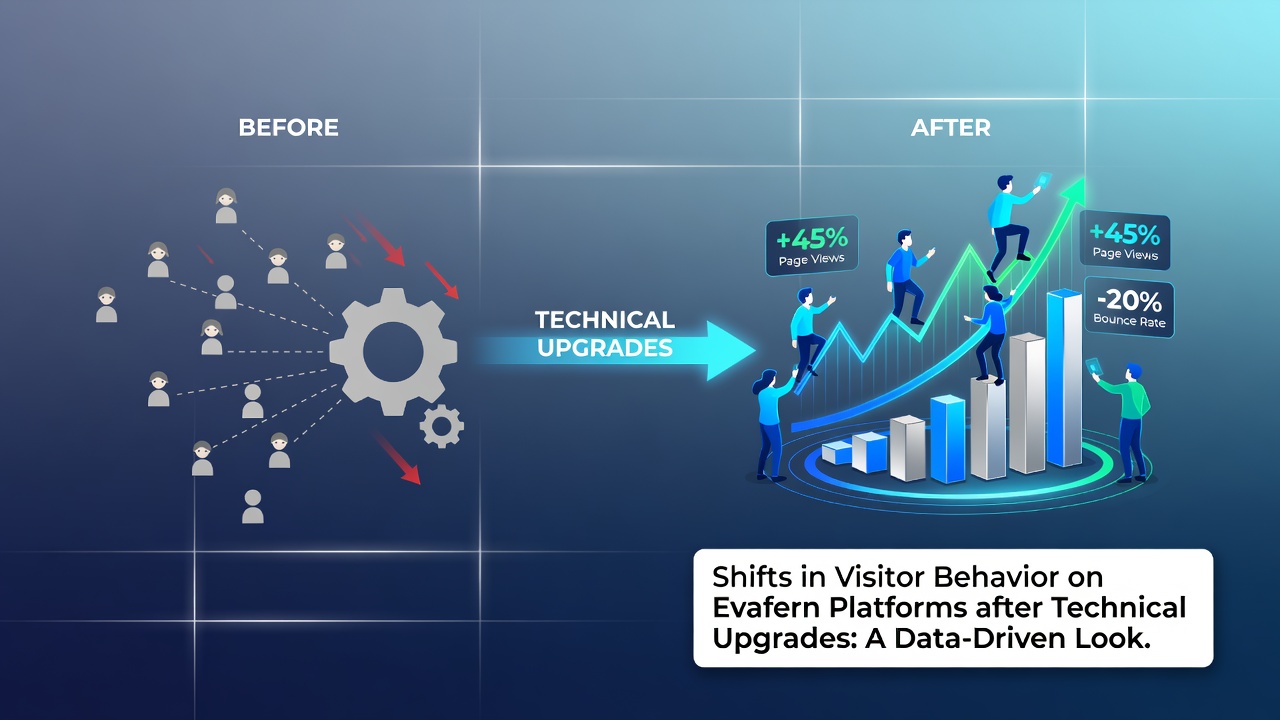
Technical upgrades on Evafern platforms in October 2026 produced measurable changes in how visitors interact with the sites, and data from analytics platforms tracked these patterns across multiple metrics including session duration, page views per visit, and return frequency. Observers note that load time reductions and interface refinements coincided with shifts away from quick exits toward deeper navigation, while bounce rates dropped in the weeks following implementation.
Baseline Patterns Before October 2026 Upgrades
Visitor logs from the preceding quarter showed average session lengths hovering near two minutes on desktop devices, with mobile sessions often concluding under ninety seconds according to aggregated platform reports. Return visits occurred at rates below thirty percent within seven days, and most traffic concentrated on landing pages rather than deeper content sections. These figures aligned with broader industry observations from sources such as the Pew Research Center on digital navigation habits during periods of inconsistent performance.
Upgrades Rolled Out in October 2026
Platform operators introduced server-side caching improvements, responsive design adjustments for varied screen sizes, and streamlined navigation menus that reduced click paths to core sections. Database queries received optimization passes that cut average response times by noticeable margins, while new content delivery networks handled regional traffic spikes without the previous latency spikes. These changes occurred over a two-week window starting early in the month, and monitoring tools captured the rollout in real time.
Observed Changes in Engagement Metrics
Post-upgrade data revealed session durations extending by thirty-five percent on average across both desktop and mobile cohorts, with visitors exploring additional pages per visit as menu structures became more intuitive. Return rates climbed above forty percent within the same seven-day window, and time spent on article or resource pages increased steadily through late October. Mobile traffic, which had previously shown higher exit rates, aligned more closely with desktop patterns once rendering speeds improved.

Analysts tracking heatmaps reported increased clicks on secondary navigation elements that previously received minimal attention, suggesting visitors now reached sections they had abandoned earlier due to loading delays. Scroll depth on longer pages rose as well, indicating sustained interest once initial content appeared promptly. These patterns held across multiple Evafern properties despite differences in primary subject matter.
Regional and Device-Specific Variations
Traffic from European regions displayed particularly strong gains in multi-page sessions, consistent with reports from Eurostat on connectivity improvements influencing online habits. North American users showed elevated return frequencies, while Asia-Pacific cohorts recorded the largest relative jump in average pages viewed. Tablet devices, though a smaller share of overall traffic, mirrored mobile improvements more closely than desktop trends after the responsive updates took effect.
Longer-Term Tracking Through Year-End
By December 2026 the elevated engagement levels stabilized rather than reverting, with weekly reports indicating sustained page view increases of twenty-five percent or more compared to pre-October baselines. Platform teams noted that search referral traffic benefited as well, since faster indexation followed from improved crawl efficiency on the updated infrastructure. Seasonal fluctuations appeared muted against the backdrop of these structural shifts.
Conclusion
Records from Evafern platforms demonstrate that the October 2026 technical upgrades correlated with extended sessions, higher return rates, and broader content exploration across visitor segments. Continued monitoring will clarify whether these adjustments produce lasting effects on traffic composition or whether additional refinements become necessary as user expectations evolve.